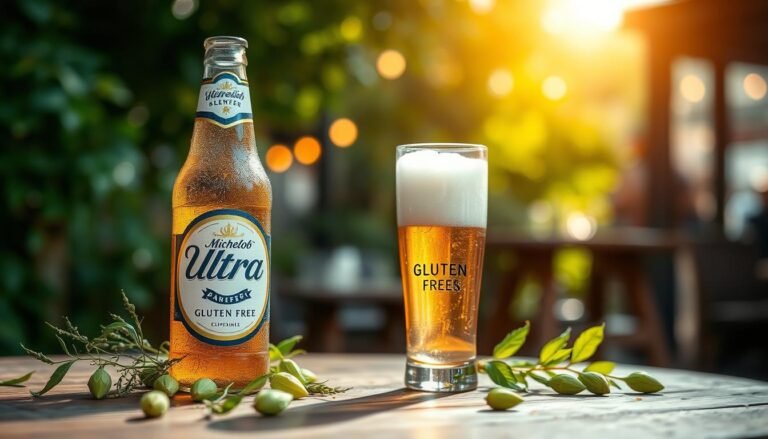
Michelob Ultra Nutrition Facts
We provide a clear overview of the Michelob Ultra Nutrition Facts so readers can quickly grasp what is in this popular light beer. Our goal is to explain calories, macronutrients, and serving details in plain language.
This michelob ultra beverage is known for its low calorie profile, with about 95.58 kcal per 12 fl oz serving. We highlight carbs, protein, and alcohol by volume so health-conscious drinkers can compare options easily.
When assessing the nutrition of this light beer, we reference standard reporting and state ABV notes. For a full breakdown and serving data, see our detailed guide on calories and labels.
For more specifics on serving size and carbs per can, visit our detailed calorie breakdown.
Understanding Michelob Ultra Nutrition Facts
In this section, we examine how the brand’s nutrition profile fits into the broader light beer segment in the United States.
We look at label standards, production choices, and the low-carb approach that separates this product from full-calorie lagers.
Our review focuses on why active adults choose this ultra option and how its composition supports lighter drinking habits.
- Market positioning: a low-calorie choice among U.S. beers.
- Brewing method: processes that reduce carbohydrate content.
- Label clarity: straightforward nutrition values that aid comparisons.
| Feature | Typical Value | Why it matters |
|---|---|---|
| Calories | ~95 kcal per 12 fl oz | Helps manage daily intake |
| Carbs | Lower than full lagers | Preferred by active consumers |
| ABV | Moderate | Balances flavor and calories |
We present this data so readers can compare light beer options quickly and make informed choices at the store.
Macronutrient Breakdown per Serving
Here we outline the carbs, protein, and fat per serving to aid simple dietary tracking. The numbers below reflect a standard 12 fl oz serving so you can compare quickly.
Carbohydrate and Protein Content
A 12 fl oz serving contains 96 calories. That makes this light beer an easy option to fit into daily plans.
Carbohydrate by difference measures 2.58 g per serving. Protein is 0.6 g per serving, which is minimal but consistent across batches.
Fat and Sugar Analysis
Total lipid (fat) is 0 g. There is no added sugar in this product, so fat and sugar do not contribute extra calories.
- A standard 12 fl oz serving contains 96 calories.
- Macronutrients: 2.58 g carbohydrate and 0.6 g protein per serving.
- Fat: 0 g, supporting low-fat or balanced plans.
| Measure | Amount (per serving) | Notes |
|---|---|---|
| Calories | 96 kcal | Low-calorie option for a light beer |
| Carbohydrate | 2.58 g | Minimal carbs per serving |
| Protein | 0.6 g | Small contribution to daily protein |
Essential Micronutrients and Mineral Content
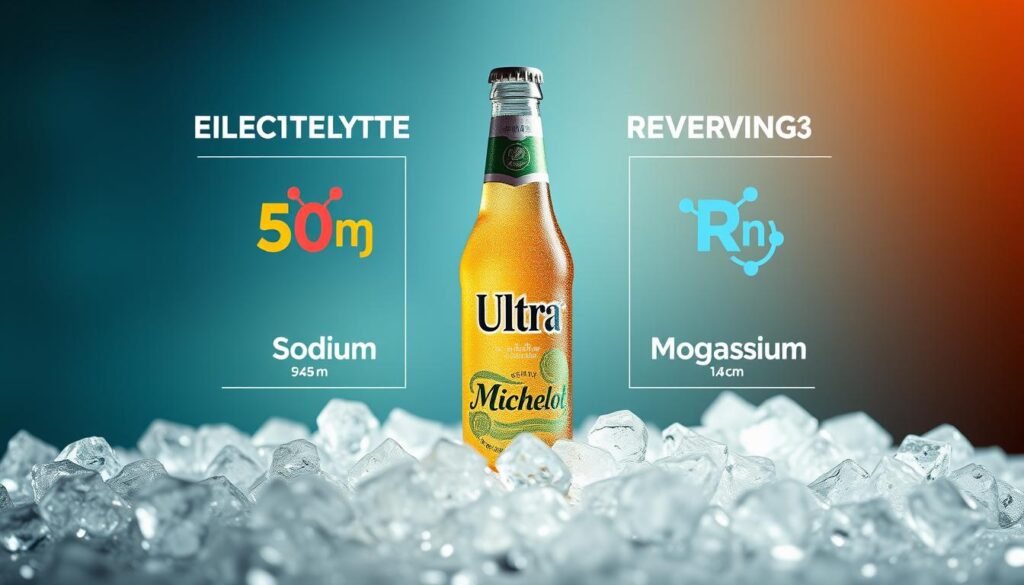
We outline the mineral profile per serving to clarify how this light beer contributes to overall daily value for common electrolytes and trace elements.
Key Electrolytes and Minerals
This beverage supplies measurable minerals even though it is not a primary source of macronutrients. The figures below show amounts per serving so you can compare them against recommended intakes.
- Potassium (K): 60.18 mg — supports fluid balance and contributes to daily value.
- Phosphorus (P): 28.32 mg — helps with energy metabolism and bone health.
- Magnesium (Mg): 14.16 mg and Calcium (Ca): 14.16 mg — small but notable mineral contributions.
- Sodium (Na): 10.62 mg and Zinc (Zn): 0.04 mg — trace levels that meet standard quality checks.
| Mineral | Amount (mg) | Notes |
|---|---|---|
| Potassium | 60.18 | Supports electrolyte balance |
| Phosphorus | 28.32 | Part of daily value for bone and cell function |
| Magnesium | 14.16 | Minor contribution to daily value |
| Calcium | 14.16 | Small support for bone health |
| Sodium | 10.62 | Low level per serving |
Although this food item provides minimal protein and fat, its mineral breakdown is documented for transparency. The carbohydrate and mineral levels align with expectations for a light beer and offer modest support toward daily value goals.
Physical Activity and Calorie Expenditure
We translate the 95 calories in one 12 fl oz light beer into practical activity so you can make choices that match your diet and fitness goals.
Burning Off Calories Through Exercise
A 35-year-old female would need about 11 minutes of jogging to burn roughly 95 calories. That same energy can be expended by walking for about 26 minutes, according to CalorieKing figures.
These benchmarks help us compare options. Jogging burns more calories per minute. Walking is lower intensity but easier to fit into daily routines.

Impact of Alcohol Content
At 4.2% alcohol, this light beer adds alcohol calories and can affect recovery and hydration. We recommend factoring alcohol into your overall plan rather than treating exercise as a license to drink more.
- Jog 11 minutes or walk 26 minutes to offset ~95 calories.
- Consider 4.2% alcohol when managing hydration and post-workout recovery.
- Professional advice stresses balancing activity with sensible drinking habits.
| Activity | Minutes | Notes |
|---|---|---|
| Jogging | 11 | Higher intensity, faster calorie burn |
| Walking | 26 | Lower intensity, easier to sustain |
| Beer alcohol | 4.2% | Factor into diet and recovery |
Our analysis of michelob ultra shows that staying active is the most reliable way to manage the calorie load from a favored beer. For more on alcohol percentage and its role in planning, see our guide on alcohol percentage.
Final Thoughts on Incorporating Light Beer into Your Diet
To finish, we share actionable steps for balancing a beer serving with everyday diet goals. Pay attention to calories and carbs per serving so you can enjoy a light option without surprise impact on your daily totals.
We advise seeking professional medical advice if alcohol affects your health or medications. Personalized guidance helps when diet or medical conditions are involved.
This michelob ultra beverage remains a popular choice for those who want a light beer that fits into casual food and fitness plans. Moderation is key. Use the data here to make informed, sustainable choices that match your lifestyle.