Who Makes Michelob Ultra
We often get questions about who produces the michelob ultra beer that dominates U.S. sales today.
As of September 2025, michelob ultra is the top selling beer in America. We explain the corporate roots behind that success.
That beer is part of the massive portfolio of Anheuser-Busch InBev, the global brewing giant and parent company that also manages Bud Light.
Knowing the parent company helps us see why this brand scales so widely. It also clarifies production standards and national distribution.
Our brief overview sets the stage. Below we explore history, brewing practices, and how the company keeps this beer at the top of the market.
Understanding Who Makes Michelob Ultra
To grasp how this brand reaches so many people, we look at the company and its operations.
Corporate Ownership
We note that the beverage is owned by Anheuser-Busch InBev, a global brewing company headquartered in St. Louis for U.S. operations.
The business runs 12 breweries across the United States and employed thousands of people to manage production and quality control.
Brand Portfolio
The company manages a wide set of brands, from light lagers to craft selections. Its products include global names like Beck’s, Corona, and Goose Island.
With about a 34% market share in the U.S. in 2023, the brewer controls large production volume and invests heavily in marketing and advertising to keep its brands visible.
| Metric | Detail | Impact |
|---|---|---|
| U.S. Breweries | 12 facilities | Consistent national production |
| Market Share (2023) | 34% | Largest brewer in U.S. market |
| Notable Brands | Beck’s, Corona, Goose Island, Bud Light | Diverse product lineup for many consumers |
| Operations | Thousands of employees | Quality control across production and distribution |
The Legacy of Anheuser-Busch InBev
Tracing back to the 1850s in St. louis reveals how a local brewery became part of a global brewing force.
Our company history begins with the Bavarian Brewery, founded by George Schneider in 1852. Over decades, brewing techniques evolved in St. louis and set standards for national production.
The 2008 acquisition of Anheuser-Busch by InBev created anheuser-busch inbev and established the firm as the largest brewer in the world. That move combined regional expertise into one organization.
Flagship beers like bud light shaped American drinking culture and helped the company scale distribution and marketing across markets.
- Long history in St. louis refined brewing methods.
- Mergers tied regional breweries into a single, efficient network.
- Flagship brands drove global recognition and volume.
| Aspect | Detail | Impact |
|---|---|---|
| Founding | 1852 Bavarian Brewery, St. louis | Deep brewing heritage |
| Major Merger | InBev acquires Anheuser-Busch in 2008 | Largest brewer in the world |
| Flagship Influence | Bud Light and other major beers | Wide cultural and market reach |
Origins of the Michelob Brand
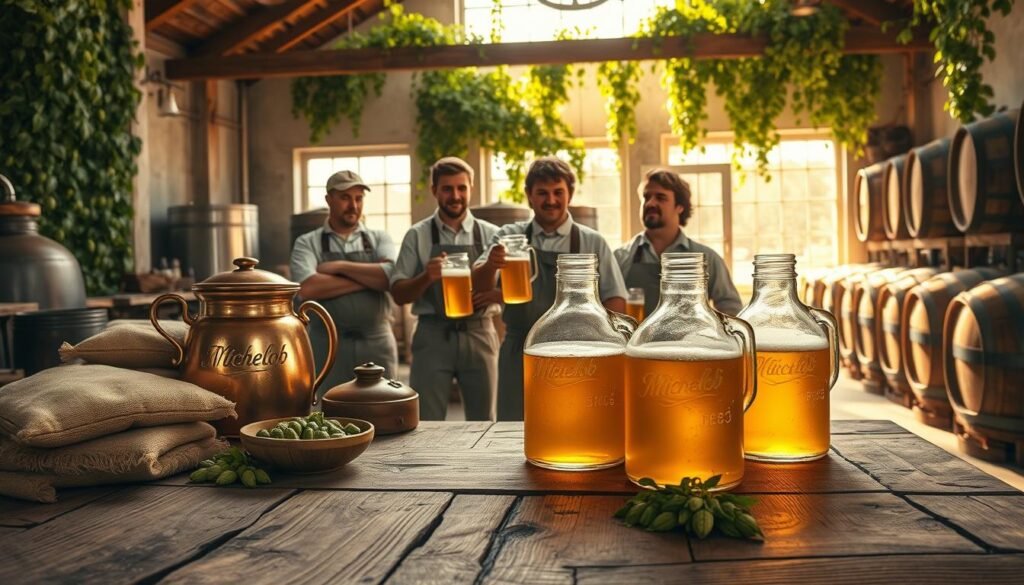
In 1896, we trace the start of this beer brand to a deliberate effort to produce a premium draught option for connoisseurs. The idea reflected a wider shift in brewing toward higher-quality, consistent products during that time.
Adolphus Busch Influence
Adolphus Busch, a legendary brewer in St. Louis, led the effort to design the recipe and production methods. His experience shaped the brand’s standards and early production practices at the company’s brewery.
The name itself comes from the town of Měcholupy, tying the beer brand to old-world brewing traditions. Over the years, that link to European methods helped the brewery maintain a signature profile and quality.
- Founded in 1896 as a premium draught beer for discerning drinkers.
- Adolphus Busch applied St. Louis brewing expertise to set production standards.
- The name reflects Měcholupy roots and a commitment to traditional brewing and quality.
We note that this early focus on quality and consistent production laid the groundwork for the brand’s long history within anheuser-busch inbev and its wider market presence.
The Brewing Process and Quality Standards
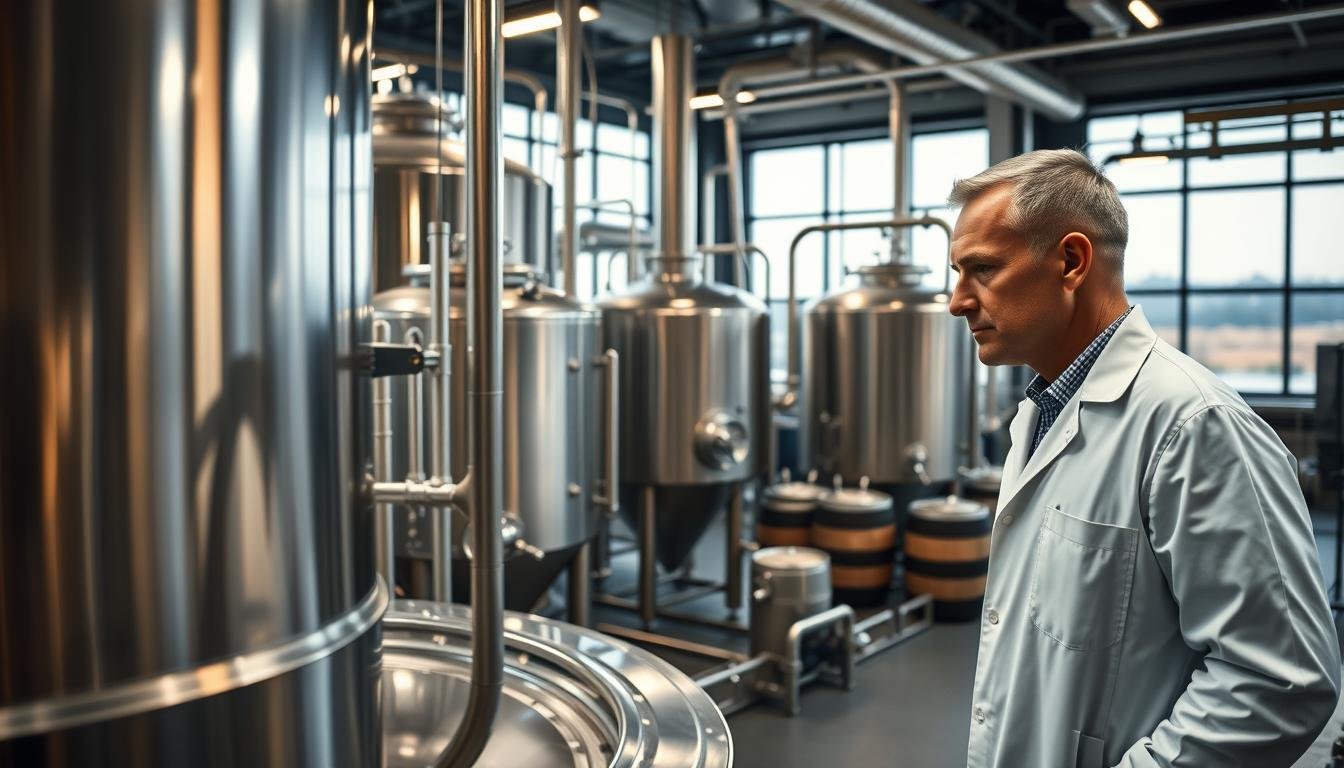
At the St. Louis facility, we combine strict controls with skilled technicians to steward each batch. Our team inspects inputs and equipment before brewing begins.
Each brewer monitors fermentation closely to keep alcohol levels steady. We log temperature, gravity, and timing for every run.
We pair traditional methods with modern sensors and automation. This hybrid approach preserves flavor while allowing national scale for products.
Quality checks run from ingredient selection to final packaging. That ensures each beer meets the company standard before shipment to retailers.
- Ingredient testing for consistency and flavor.
- Real-time fermentation monitoring by trained staff.
- Automated systems to prevent contamination and variance.
| Stage | What We Check | Impact |
|---|---|---|
| Mash and Wort | Grain quality, sugar content | Base flavor and fermentation potential |
| Fermentation | Temperature, gravity, alcohol | Consistent alcohol and taste profile |
| Filtration & Packaging | Clarity, microbial tests, seal integrity | Freshness and shelf stability of products |
| Distribution Prep | Batch tracking and labeling | Traceability across the supply chain |
Evolution of the Michelob Product Line
Market signals in the early 2000s prompted a new product approach aimed at fitness-minded drinkers and summer occasions. That shift reshaped our product mix and marketing focus.
Introduction of Ultra
We launched the low-calorie option in 2002 to capture demand for a light beer that fit active lifestyles. Early sales climbed quickly as the beverage found an audience looking for fewer calories and lower carbs.
Specialty Brews
Our St. Louis brewery served as a lab for new recipes. We tested fruit-flavored options, craft-style beers, and other light products to broaden the brand’s reach.
Seasonal Varieties
Each year we release limited runs timed for summer and holiday week promotions. Advertising peaks during major events, including the Super Bowl, to boost volume and product awareness.
- Bottle design modernized for production and shelf appeal.
- Sampler packs increase holiday week engagement.
- Marketing ties to Bud Light campaigns help lift overall sales.
| Focus | Benefit | Timing |
|---|---|---|
| Low-calorie light beer | Broader health-focused appeal | 2002–present |
| Specialty & fruit flavors | Craft and seasonal reach | Summer and limited runs |
| Event advertising | Spikes in volume and awareness | Super Bowl and summer weekends |
Strategic Marketing and Brand Positioning
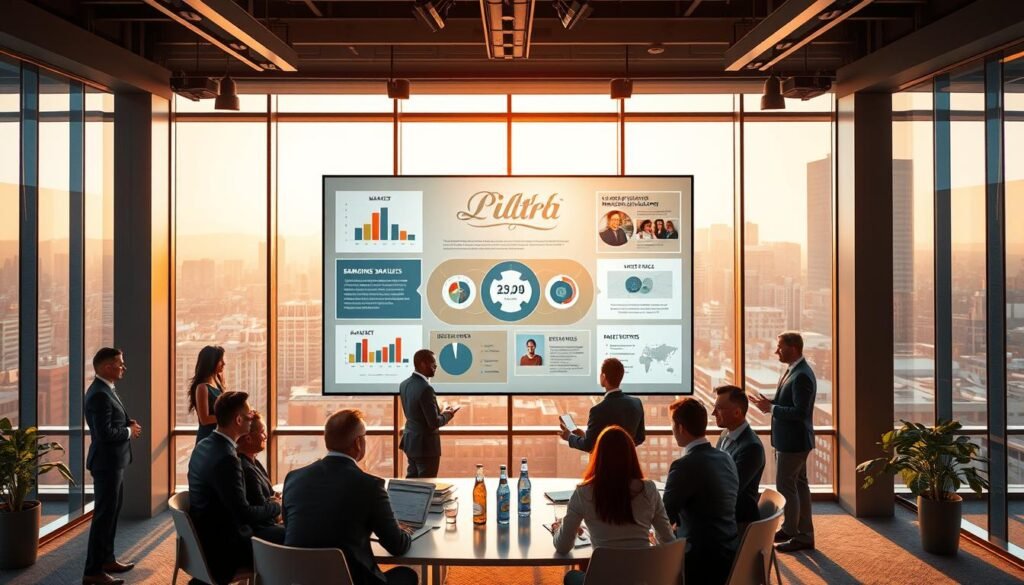
Our marketing focuses on active people who seek balance between fitness goals and social drinking.
We position the brand as a premium beverage that pairs performance with taste. Campaigns often feature athletes to reinforce a health-conscious image.
By sponsoring major events, the company makes this beer visible to millions of people and competes with other light options, including co-marketing with bud light in shared promotions.
Every bottle is promoted as a reward for people who work hard and stay active. Advertising highlights that the product delivers flavor without compromising on alcohol control.
- Audience focus: active people who value taste and balance.
- Creative: athlete-driven advertising and event sponsorships.
- Positioning: premium light beer marketed as a post-workout reward.
| Strategy | Target People | Primary Impact |
|---|---|---|
| Athlete endorsements | Fitness-minded people | Credibility for active lifestyle |
| Event sponsorships | Mass audiences at sports events | High brand visibility vs competitors |
| Product messaging | Professionals who train | Perception of quality and balance |
For details on alcohol content and related FAQs see our page on michelob ultra ABV.
Impact of Corporate Acquisitions
The 2016 purchase of SABMiller changed how the company operates across global markets. It gave us access to new facilities and distribution networks in key regions. That expanded reach let us place more beer on shelves and in bars worldwide.
Integration of SABMiller
Integrating SABMiller took several years and careful planning. We streamlined production volume and aligned supply chains so sales and distribution stayed steady. This process helped our company optimize the marketing and placement of popular brands like bud light and michelob ultra without interrupting shipments.
Absorbing other companies increased our market share and strengthened our position in the industry. We also managed a broader alcohol portfolio, allowing local markets to receive beers that matched regional tastes.
- Expanded global reach improved volume and sales potential.
- Multi-year integration preserved marketing and distribution continuity.
- Consolidation boosted market share and portfolio flexibility across markets.
| Year | Action | Immediate Impact |
|---|---|---|
| 2016 | Acquired SABMiller | Major expansion of global distribution |
| 2016–2019 | Integration phase | Streamlined production and steady sales |
| 2020–present | Portfolio optimization | Targeted marketing and local beers tailored to markets |
Navigating Modern Consumer Trends
Consumers now favor lighter drinking options that fit an active lifestyle, and we track that shift closely.
Demand for low-calorie beer has been a key factor in the rise of our light product. We monitor sales, social feedback, and health trends to keep the brand relevant.
We listen to people who drink our beverage and gather data from customers in stores and online. That input helps us tweak recipes and alcohol levels to match dietary expectations.
The move toward lower-alcohol and fewer calories pushed the company to innovate across its portfolio, including changes that complement Bud Light offerings.
Staying ahead of trends is essential for us to remain a top provider of beer in the United States. We balance flavor, nutrition, and visibility to retain loyal buyers.
- Track health-driven demand and reformulate when needed.
- Use customer feedback to guide low-calorie and low-alcohol updates.
- Align marketing with active lifestyles to support product uptake.
| Trend | Company Response | Customer Benefit |
|---|---|---|
| Low-calorie demand | New formulations and packs | Fewer calories per serving |
| Lower alcohol preference | Adjusted alcohol percentages | Better fit for moderation goals |
| Active-lifestyle marketing | Partnerships and targeted ads | Clearer product fit for people who train |
Global Reach and Distribution
A coordinated production and shipping system lets us place our brands in many places where people shop for beverage products.
From our central planning in St. Louis we manage production schedules and route millions of bottles for domestic and international markets. The company pairs large-scale brewing capacity with local warehouse partners to keep inventory steady.
We leverage each brewery in the network to uphold the name and quality standards of our product line. That means consistent checks at every step of production, packing, and shipment.
By optimizing logistics and demand planning we deliver a wide range of alcohol products, including light beer offerings and mainstream beers like bud light and michelob ultra, to retailers and bars across regions.
- Central hub coordination for steady supply.
- Local brewery execution to protect quality.
- Logistics tuned to place products where customers buy.
| Function | Action | Impact |
|---|---|---|
| St. Louis hub | Production planning | Consistent national distribution |
| Brewery network | Quality control | Uniform product taste |
| Logistics | Optimized routing | Faster delivery to places that sell beverage products |
Sponsorships and Cultural Presence
We use event sponsorships to keep our beer in front of millions during peak viewing moments. These partnerships put the product where people gather to celebrate sport and socialize.
Sports Partnerships
Our brand links with high-profile leagues and teams to build a clear association with athletic excellence. Over the years, this strategy has been part of broader marketing plans that drive recognition and steady sales.
- We place ads during major broadcasts and run in-venue activations to reach fans.
- Partnerships work alongside promotions for bud light and other portfolio items.
- These efforts target game-day routines, especially in summer and peak sports weeks.
FIFA Club World Cup
In June 2025, FIFA named michelob ultra the official beer of the Club World Cup. The announcement gave the company a global moment to showcase the beer to soccer audiences.
That deal boosts visibility and often ties to advertising campaigns. We see higher retail interest and incremental sales around tournament time. Sponsorships like this help frame the product as a drink that fits social, active occasions while managing alcohol content expectations.
| Sponsorship | Reach | Typical Timing |
|---|---|---|
| FIFA Club World Cup | Global broadcast audiences | Tournament weeks |
| National leagues | Millions of domestic fans | Seasonal schedules and summer |
| Event activations | In-venue and digital fans | Game day and weekend |
Challenges in the Competitive Beer Market
Shifts in taste and the rise of small breweries have made maintaining sales far harder for large brewers. We face many competitors as customers seek new flavors and local options.
Our company must protect core brands like Bud Light while adapting to changing demand. That means investing in product innovation and targeted marketing to hold share in key markets.
We also balance mass production with niche offerings. Producing high volumes keeps distribution strong, but we must respond to craft trends and varied alcohol preferences to stay relevant.
- Competition: many companies target the same customers with craft and specialty beers.
- Strategy: innovation and branding help defend sales and national share.
- Scale: our distribution network remains a major advantage in crowded markets.
| Challenge | Our Response | Impact |
|---|---|---|
| Craft rise | New small-batch lines and collaborations | Broader appeal to varied customers |
| Declining category sales | Marketing refresh and product reformulation | Stabilized sales and renewed interest |
| Shelf crowding | Leveraged distribution and promo partnerships | Improved visibility for flagship brands |
Sustainability and Future Brewing Goals
Across our sites we aim to blend technology and tradition to make more responsible beer. We focus on lowering water use and cutting emissions while keeping taste and consistency intact.
At our St. Louis brewery, teams test water-saving systems and reuse strategies. These measures reduce waste and support steady production of popular products, including michelob ultra.
We also plan for a larger share of low- and no-alcohol beverage options. The company expects a notable volume of global production to shift toward these products over time.
Every brewer is asked to suggest efficiency gains. Investing in sustainable brewing technology helps us lower costs and environmental impact while protecting quality across our brands.

- Water conservation projects at St. Louis sites.
- More low- and no-alcohol product capacity.
- Technology investments to cut energy and waste.
| Goal | Impact | Timing |
|---|---|---|
| Water reduction | Lower consumption and costs | Short–mid term |
| Low/no-alcohol volume | Broader beverage choices | Mid term |
| Efficient production | Less waste, stable quality | Ongoing |
The Enduring Legacy of a Top Selling Beer
The story of this beer brand shows how steady product care and smart marketing keep it in place on the national stage.
We trace roots to Adolphus Busch and St. Louis and note how the company, Anheuser‑Busch InBev, scaled the name into strong sales today.
Strong marketing and big-game advertising, including Super Bowl spots, helped the brand stay familiar alongside bud light and other beers.
Across years and events, a single bottle still represents consistent quality. We expect the beer brand to remain part of American summer weeks and major moments for years to come.