What Kind of Beer is Michelob Ultra
We examine how michelob ultra carved a clear spot in the U.S. market. It ranks high with everyday drinkers in places like Macedon, New York.
Many occasional drinkers, such as Chris Smith, keep it in the fridge next to hard seltzer and Corona. The label appeals to people who favor an active life and measurable nutrition over craft variety.
As a brand, it has grown through word-of-mouth. New customers often try it after friends recommend it, and it now serves as a light, refreshing option for daytime moments.
– A popular light choice for active consumers.
– Found alongside hard seltzer and mainstream lagers.
– Grown via recommendations and consistency.
What Kind of Beer is Michelob Ultra
Here we outline how michelob ultra stays simple, crisp, and built for repeat pours.
As a light lager, this beer aims for a clean, carbonated profile rather than heavy malt or bold hops. We find it avoids strong fruit or craft-driven flavors and leans into a neutral, easy-drinking experience.
The brand designs the product to be light in body and low in fillingness. Many drinkers say it feels almost like sipping chilled water because of its bright finish and restrained taste.
- Crisp carbonation that refreshes without masking activities.
- No heavy aftertaste; minimal artificial flavors.
- Consistent pour-to-pour taste for social settings.
| Attribute | Profile | Best for |
|---|---|---|
| Body | Light | Daytime and events |
| Taste | Crisp, clean | Casual drinkers |
| Category | Light lager | Low-calorie choice |
Nutritional Profile and Ingredients
Let’s look at the numbers behind the product and how its recipe keeps carbs and calories low. We focus on the measurable facts that matter to active, health-aware drinkers.
Carbohydrate Content
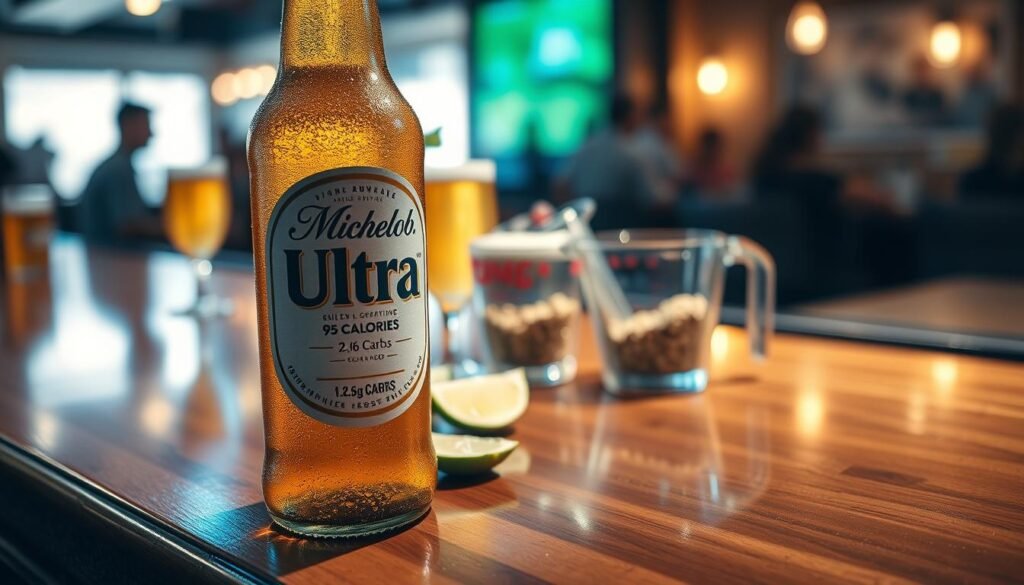
The brew contains 2.6 grams of carbohydrates per serving, a clear selling point for people tracking macros. That low grams count helps the beverage stand out against mainstream offerings.
For comparison, bud light lists 6.6 grams per serving, which is more than double the carbs. Lower carbs help this light beer appeal to those who want a casual pour without large carb totals.
Caloric Density
Calories per serving sit at 95, keeping the caloric density modest for a lager-style drink. The low calories make it easier to include a drink without upsetting daily targets.
We see that the balance of ingredients and brewing techniques keeps mouthfeel satisfying while limiting total calories and carbs per serving. That consistency matters to millions who choose the product regularly.
| Metric | This Light Lager | Bud Light |
|---|---|---|
| Carbs (per serving) | 2.6 grams | 6.6 grams |
| Calories (per serving) | 95 | 110 |
| Category | Light beer / light lager | Light beer |
The Rise of a Lifestyle Brand
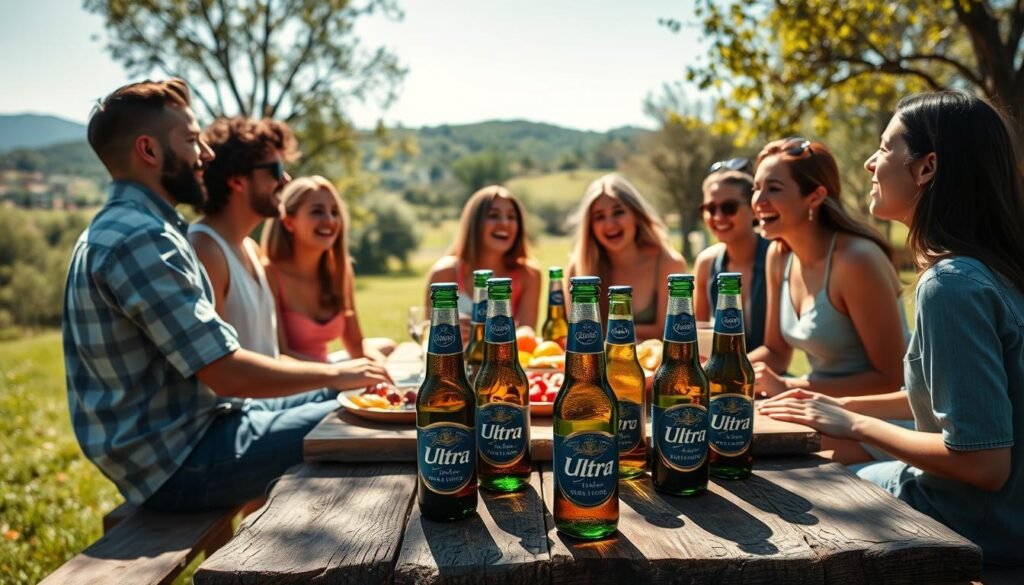
The brand transformed from a niche launch into a lifestyle icon by aligning product messaging with fitness-minded consumers.
Launched in 2002 for older drinkers, the product found new momentum after a 2004 marketing pivot. We shifted visuals and messaging toward younger, active adults and saw rapid adoption in places beyond Tucson and Fort Myers.
Targeting Active Consumers
We emphasize low carbs and a diet-friendly tagline that rode the Atkins trend. That approach helped the beer feel like a health-aware choice rather than an indulgence.
- By 2004, 37% of drinkers were women—16% above industry norm.
- Positioning around activity and balanced living increased brand loyalty.
- The product now reads as a lifestyle symbol, not just a beverage.
| Year | Focus | Impact |
|---|---|---|
| 2002 | Initial launch (older demo) | Test markets: Tucson, Fort Myers |
| 2004 | Shift to younger, active adults | Higher female share; lifestyle adoption |
| Present | Health and routine fit | Strong brand loyalty |
Market Performance and Industry Standing
We track a rapid ascent that mirrors past category leaders while carving its own path. Over the last five calendar years the michelob ultra name averaged roughly 16% year-over-year growth, a standout result as several legacy beers slowed.
Advertising and distribution fueled that climb. The brand spends more than $50 million annually on promotion and runs high-profile Super Bowl spots with Chris Pratt. That visibility helped add about 33 million case equivalents between 2012 and 2017.

While bud light remains the top-selling beer in the U.S., our data shows this product gaining ground steadily. Coors Light has largely treaded water, but this label expanded market share in IRI-tracked stores.
| Metric | Performance | Implication |
|---|---|---|
| Avg annual growth | ~16% | Outpaced many legacy beers |
| Ad spend | $50M+ | High reach, national campaigns |
| Case gain (2012–2017) | 33M | Rapid scale-up in distribution |
| Peer comparison | Bud Light leading; Coors Light flat | Positioning to gain ground among top brands |
Industry voices expect continued ascent. We believe sustained marketing and broad appeal will keep the brand competitive and growing.
Competitive Landscape and Consumer Alternatives
In a market full of new choices, we track how this light lager defends its niche. The label faces pressure from spiked seltzers, newer low-calorie entries, and craft brews chasing flavor variety.
The Impact of Hard Seltzers
Hard seltzer growth shifted casual drinking habits. Still, many consumers who want a light beer with modest calories stay loyal to this brand.
Sales data show the category pulled some occasional buyers, but the product kept traction by emphasizing low carbs and routine pours.
Craft Beer Comparisons
When compared to craft options, the product trades bold flavors for consistency. We find fans who prefer predictable taste over seasonal or hop-forward beers.
That steady profile helps the label compete in venues where variety can confuse drinkers looking for one reliable pour.
Market Imitators
Competitors such as Corona Premier (2.6 grams, 90 calories) and other imitators tried to close the gap. The brand responded with new SKUs like Pure Gold (2.5 grams, 85 calories).
Corporate accounts—Buffalo Wild Wings among them—keep the product on tap, which proves it still holds ground against bud light and coors light challengers.
| Competitor | Carbs | Calories |
|---|---|---|
| Corona Premier | 2.6 grams | 90 |
| Pure Gold (brand SKU) | 2.5 grams | 85 |
| Bud Select / Aspen Edge | Varies | Varies |
The Future of the Low-Calorie Beer Segment
We expect demand for lighter pours to grow as people blend social rituals with clearer health goals. The shift favors products that balance flavors with modest calories and carbs.
We see michelob ultra and similar light lager entries staying relevant by linking product messaging to active lifestyles. That connection helps this brand compete with hard seltzers and newer options without losing routine drinkers.
Over time, we believe the segment will expand as consumers like Chris Smith choose moderate pours that fit a diet and a day full of activity. A focus on taste plus measurable nutrition should keep this product category strong for years to come.